Frequently Asked Questions about Reiki Sessions in Buffalo, NY
If you’re new to Reiki or exploring energy healing in the Buffalo, NY area, this page answers the most common questions…
If you’re ready to experience Reiki Healing at Lavender Healing and Wellness, you can view all options here…View Reiki Sessions
*Sessions start at 60 min | $85
Everything You Need to Know About Reiki Sessions at Lavender Healing & Wellness
Q: What is Reiki?
A: Reiki (pronounced ray-key) is a Japanese energy healing technique used for stress reduction, relaxation, and physical pain that also promotes emotional, physical, and spiritual healing.
The name “Reiki” means “Universal Life Force Energy.”
The practitioner acts as a “conduit” in which the Reiki energy flows through to the client.
Q: What are the benefits of Reiki?
A: Reiki is often used as a complementary therapy because it works alongside conventional medicine in the following ways:
Reduce Stress: It triggers the body’s "rest and digest" (parasympathetic) nervous system.
Improve Sleep: By calming the mind, it can help with insomnia or restless nights.
Mental Clarity: It helps clear "brain fog" and provides a sense of centeredness and focus.
Pain Management: It can help lower the perception of physical pain and discomfort.
Q: What ailments does Reiki help with?
A: While Reiki is not a cure for any specific disease, it is an excellent support for:
Anxiety, depression, social anxiety, low self-esteem, and confidence
Chronic pain, muscle soreness, and joint pain
Recovery after surgery, injury, and sports injuries
Fatigue and burnout
The side effects of intensive medical treatments, like chemotherapy
Q: What should I wear to the session?
A: Simply wear comfortable clothes. If your session is during the fall/winter months, you may dress in layers. During Reiki, you will be lying on a heated amethyst crystal mat for warmth and added grounded energy. During the Summer months, you may want to dress lighter.
Q: What should I expect during my first Reiki session at Lavender Healing & Wellness in Buffalo, NY?
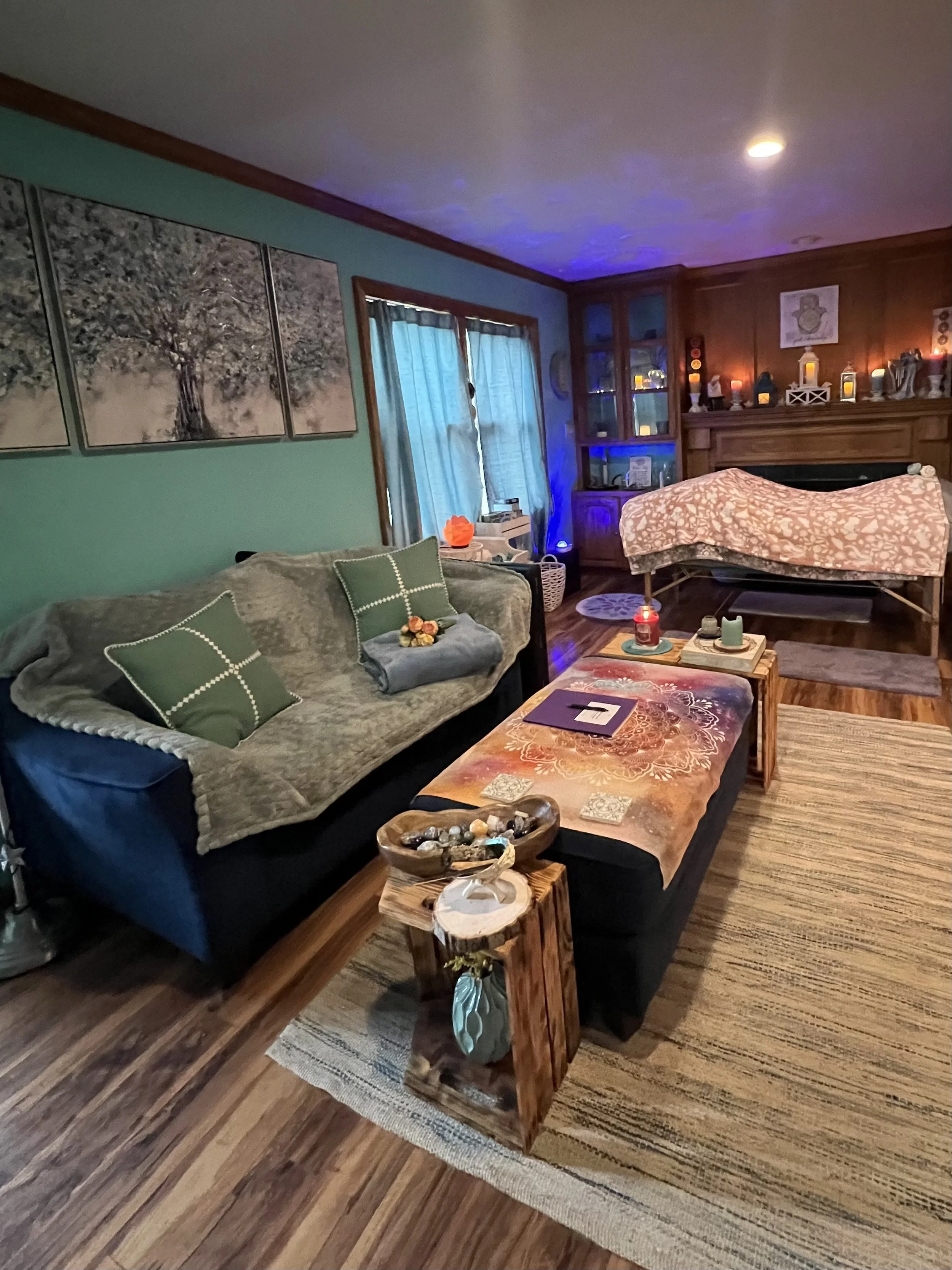
A: When you visit my Williamsville studio for a Reiki session, we will start with a gentle conversation allowing you to settle into your session and feel comfortable.
We will take time to discuss the areas of your life that need relaxation, grounding, emotional release, or alignment, which allows you to focus your intention for the session.
We will then move onto the Reiki portion which begins with a gentle guided meditation allowing you to deeply relax while the Reiki energy flows to the areas of your mind, body, and soul that needs balancing and restoration.
After the session, there will be time to integrate the experience with a conversation and share spiritual messages that may have been received during the session.
Q: What should I expect during the actual “Reiki healing” part?
Preparation: You remain fully clothed and will lie down on a comfortable heated massage table or sit in a chair.
The Process: I will scan your Aura and energy centers with a “hands off” method called “Byosen Scanning,” followed by “hands on” Reiki through a series of hand positions across your head, upper body, torso, legs, and feet. During the session, you have a choice to lie in complete peace and quiet or to receive a guided meditative experience.
Environment: Your session will be held in a quiet, peaceful setting with candles lit, soft music, and low lighting to help you drift into a state of deep relaxation.
Q: What sensations may I experience during Reiki?
A: Common sensations include:
Temperature Changes such as feeling a soothing warmth or a refreshing coolness from the practitioner’s hands.
Physical tingling, buzzing, or a sense of release in the body. Sometimes clients may feel a light pressure or fullness in the body as the practitioner’s hands hover in a specific area of need.
Many people experience deep relaxation similar to meditation or even fall into a light, restful sleep.
You might feel a sudden sense of peace, or occasionally, a brief wave of emotion as tension leaves the body.
Q: How will I feel after my session?
A: Most clients feel deeply relaxed, emotionally lighter, and a sense of calmness. If you experience emotional release during your session, you may feel tired and need rest.
Q: How many Reiki sessions are needed?
A: There is no "magic number," as the frequency depends on your personal goals:
For General Wellness: One session every few weeks or monthly is a great way to maintain balance.
For Acute Issues: If you are dealing with a specific stressor or injury, 3 to 4 sessions over a short period (weekly or bi-weekly) are often recommended to build momentum.
Listening to Your Body: Most people find that their body tells them when they are ready for another session.
Q: Is Melissa Eaton a Certified Reiki Master Teacher?
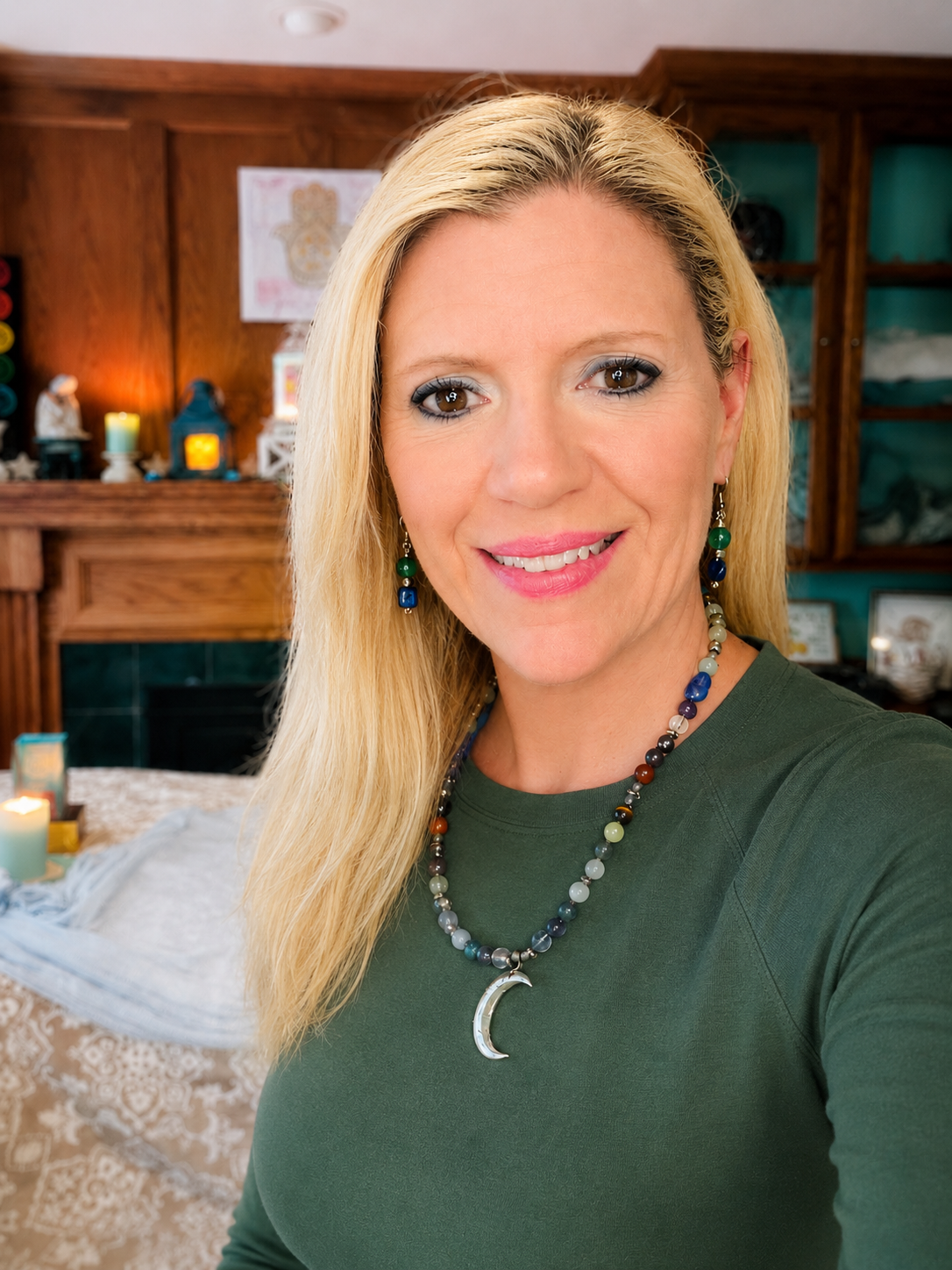
A: Yes, Melissa Eaton is a ICRT Certified Reiki Master Teacher in Traditional Usui Reiki Ryoho and Usui/Holy Fire® III Reiki Ryoho Training.
Meet Melissa Eaton. Reiki Master …Learn More
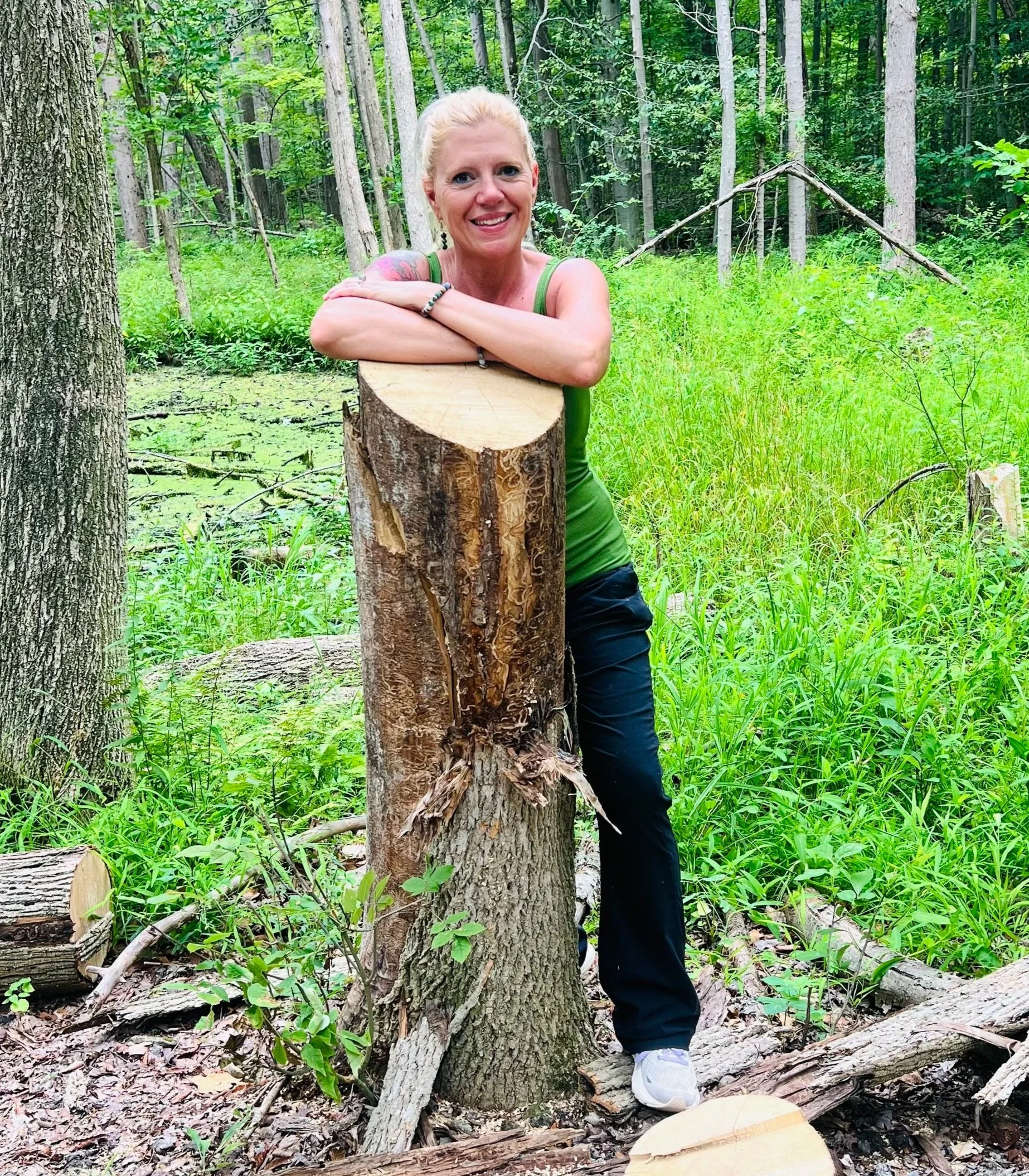
ICRT Certified Reiki Master Teacher
Certified Usui Holy Fire® III Reiki Ryoho
Certified Traditional Usui Reiki Ryoho
Certified Spiritual Advisor
AHA Certified Past Life Regression Practitioner
Certified Aromatherapist
Ethical Policy: Reiki is a complementary therapy. It should be used to enhance, not replace, the medical advice or treatment provided by your doctor or mental health professional.
If you are seeking both Relaxation and Insight, View my most Popular Session:
Reiki + Tarot Session